Last verified: March 2026
The City That Changed Everything
Every state that has legalized cannabis — every dispensary, every lounge, every legal purchase in America — traces its lineage to San Francisco. Not abstractly. Not symbolically. Literally. The people who wrote the first medical cannabis law in the country lived here. The dispensary that served as the model for every dispensary in America operated here. The political alliances that made legalization possible were forged here, in the Castro, during the AIDS crisis, by a gay Vietnam veteran and a 57-year-old waitress who baked brownies.
This is that story.
The Timeline
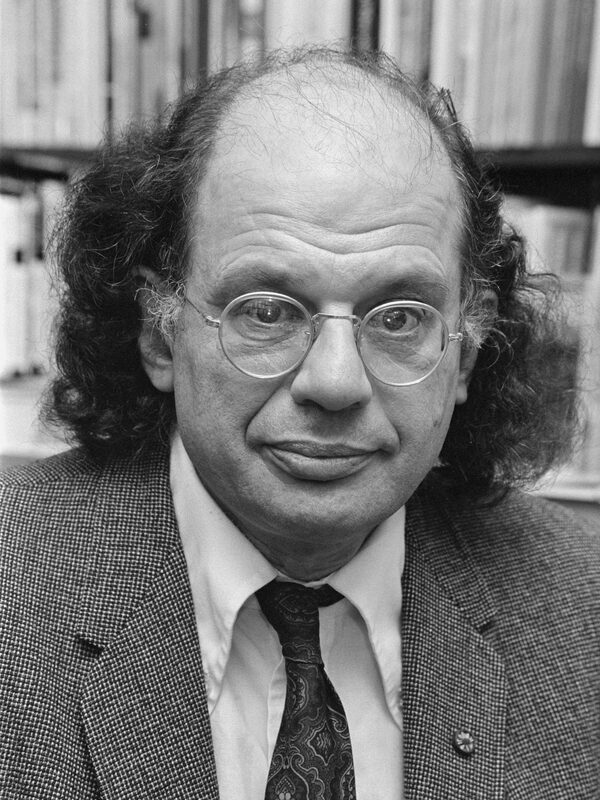
Allen Ginsberg Founds LeMar
Beat poet Allen Ginsberg founded LeMar (Legalize Marijuana) in San Francisco — the first cannabis advocacy organization in the United States. The Beats had been openly consuming cannabis in North Beach since the 1950s, but LeMar was the first organized effort to change the law. Ginsberg, Kerouac, and the Beat Generation planted the seed.
First Head Shop Opens in the Haight
The first head shop in America opened on Haight Street, selling pipes, papers, and paraphernalia to a neighborhood that was rapidly becoming the center of American counterculture. The shop was a physical declaration: cannabis culture was not hiding anymore.
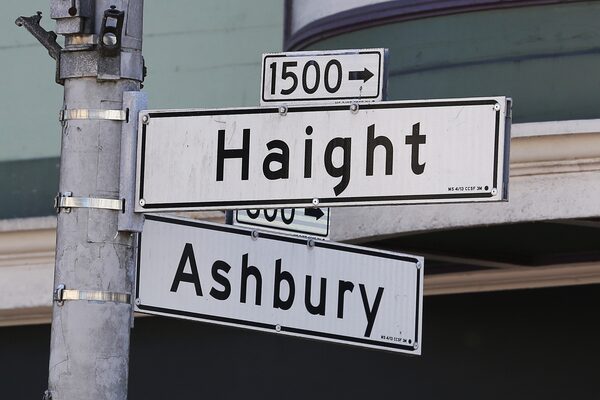
The Summer of Love
An estimated 100,000 people descended on Haight-Ashbury for the Summer of Love. Cannabis was central to the culture. When the summer ended, many did not go home — they migrated north to Mendocino, Humboldt, and Trinity counties, where they began growing cannabis in the mountains. The Emerald Triangle was born.
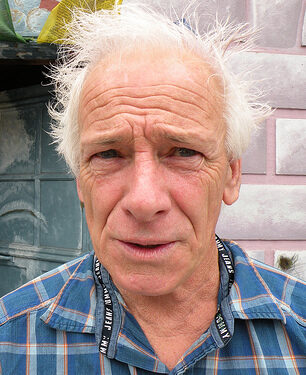
Dennis Peron Opens "Big Top"
Dennis Peron — a gay Vietnam veteran who had smuggled cannabis home from Vietnam in his duffel bag — opened "Big Top" at 715 Castro Street. It was, effectively, a cannabis supermarket: three stories, open sales, in the heart of the Castro. It operated for three years before a 1977 raid in which a police officer shot Peron. One officer reportedly said he wished he had killed him — "one less faggot." Peron survived.
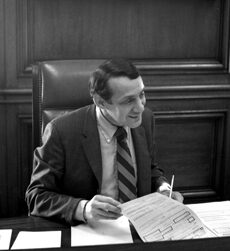
Proposition W — Harvey Milk and "W for Weed"
Proposition W — "W" for weed — was a San Francisco ballot measure calling on the state to end cannabis prohibition. Harvey Milk, the first openly gay elected official in California, personally gathered signatures for the measure. It passed with 56% of the vote. Three weeks later, on November 27, 1978, Harvey Milk and Mayor George Moscone were assassinated by former Supervisor Dan White. The alliance between Milk and Peron — between the gay rights movement and cannabis reform — was forged in this moment.
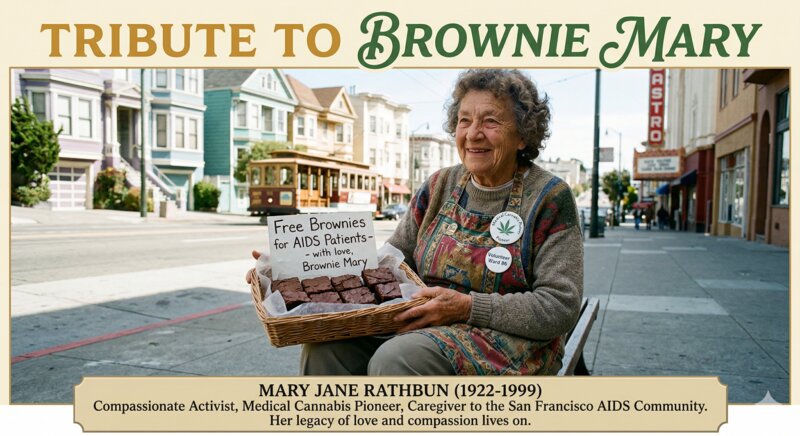
Brownie Mary's First Arrest
Mary Jane Rathbun — "Brownie Mary" — was a 57-year-old waitress who baked cannabis brownies. In 1981, police arrested her with 18 pounds of cannabis and 54 dozen brownies. She was not a dealer. She was baking for friends and, increasingly, for sick people who found that cannabis helped with nausea, pain, and appetite loss. The arrest made her a folk hero.
Ward 86 and the AIDS Crisis
San Francisco General Hospital opened Ward 86, the first dedicated AIDS clinic in the United States. Brownie Mary began volunteering at the hospital, baking up to 600 brownies a day and distributing them free to AIDS patients. She funded the ingredients from her $650 Social Security check. The hospital named her Volunteer of the Year in 1986. Cannabis was not recreational for these patients. It was survival — it restored appetite, controlled nausea from early antiretrovirals, and eased pain when nothing else worked.
Peron Raided Again — Jonathan West Testifies
Peron was raided again in 1990. His partner, Jonathan West, was dying of AIDS and used cannabis to manage his symptoms. West testified in court on Peron's behalf. The charges were dismissed. Jonathan West died approximately one week later. His death crystallized Peron's mission: the fight for medical cannabis was inseparable from the fight for the lives of gay men dying of AIDS.
San Francisco Cannabis Buyers Club
Peron co-founded the San Francisco Cannabis Buyers Club, initially operating from a small space on Sanchez Street before moving to 1444 Market Street — the building that would become known as the "Brownie Mary Building." The club grew to serve 8,000+ members, making it the first public medical cannabis dispensary in the United States. It was the template. Every dispensary in America descends from this one.
Board of Supervisors Testimony
Brownie Mary testified before the San Francisco Board of Supervisors. Her testimony, combined with Peron's advocacy and the visible reality of the AIDS crisis, led the Board to make cannabis enforcement the lowest arrest priority in the city. Brownie Mary had met Dennis Peron at Cafe Flore over a joint — a meeting that connected the grandmother from the Haight to the gay activist from the Castro and changed American drug policy.
Proposition 215 — The Law That Changed America
On November 5, 1996, California voters passed Proposition 215 (the Compassionate Use Act) with 55.6% of the vote, making California the first state in the nation to legalize medical cannabis. The law was co-authored by Dennis Peron and Brownie Mary. It did not emerge from a think tank or a lobbying firm. It was written by a gay Vietnam veteran who ran a dispensary out of the Castro and a grandmother who baked brownies for AIDS patients.
Grand Marshals of Pride
Dennis Peron and Brownie Mary served as Grand Marshals of the San Francisco Pride Parade in 1997 — a public acknowledgment of the inseparable bond between the LGBTQ+ community and the cannabis legalization movement. Two communities, one fight.
Dennis Peron Dies
Dennis Peron died on January 27, 2018. The San Francisco Board of Supervisors declared him the "father of medical cannabis." By the time of his death, 29 states had legalized medical cannabis and California had legalized recreational use through Proposition 64 (2016). Every one of those laws traces back to the man who ran Big Top at 715 Castro and co-wrote Prop 215.
August 25 — Brownie Mary Day
The San Francisco Board of Supervisors designated August 25 as Brownie Mary Day in honor of Mary Jane Rathbun. A woman who lived on Social Security and spent it on butter, flour, and cannabis to bake free brownies for dying men. She asked for nothing. She is the moral center of the legalization story.
Why This Story Matters
The origin story of legal cannabis in America is not a story about policy or politics. It is a story about a gay man and a grandmother, an AIDS crisis and a city that decided to do something about it. Dennis Peron and Brownie Mary did not have lobbyists or PACs or venture capital. They had a dispensary on Market Street, a baking sheet, and the conviction that sick people should not be arrested for finding relief.
As cannabis industry pioneer Steve DeAngelo said:
The entire medical cannabis movement owes a direct debt to the gay community.
Steve DeAngelo, cannabis industry pioneer
When you walk into a dispensary in any state in America, you are walking through a door that Dennis Peron opened. When you buy an edible, you are holding something that Brownie Mary made with her bare hands for men who were dying. When you vote on a cannabis ballot measure, you are casting a ballot that Harvey Milk gathered signatures for, three weeks before he was killed.
This is the origin story. It happened here. In San Francisco.
Learn More
For in-depth cannabis education, dosing guides, safety information, and research summaries, visit our partner site TryCannabis.org
Related on this site: California Cannabis Law, LGBTQ+ & Cannabis, SF Cannabis Market — 60% Illicit.